Who Owns the Shelf When DoorDash Owns Instacart?
Published on 13 November, 2026 | Author: Agnes Marggs | 4 min read
Every large acquisition announcement comes with a list of promises, and the promises are worth reading first. Companies rarely reassure people about things nobody is worried about. In the release announcing that DoorDash will buy Instacart, one commitment carries its own heading: Open Platform, No Grocery Exclusivity. Local grocers, it says, can keep working with any delivery platform they choose.
That raises an obvious question. Why would anyone need to be told?
The deal itself was announced on October 29. DoorDash will pay $65.00 per Instacart share, an equity value of roughly $17 billion and a 26% premium to Instacart’s closing price on October 22, the last trading day before reports of a possible deal. Instacart partners with more than 2,200 retail banners representing nearly 100,000 stores. Its customers would gain access to more than 50,000 additional stores. And yes, DashPass and Instacart+ members would pay one membership fee instead of two, a move that appears to be in season.
The first layer is what Instacart actually is. Most people think of it as an app. For many grocers, it is also infrastructure. The release says the combined company will offer DoorDash’s delivery network and Instacart’s grocery and fulfillment technology “in both apps and on stores’ own websites,” along with the advertising and AI tools each company has built. It goes further: more grocers could deploy Instacart’s technology to run their own websites and retail media networks.
Hold those two facts together. A grocer’s own storefront, and the ad network that sells space on it, can run on Instacart technology. After the deal closes, that technology belongs to the company whose app competes for the same shopper. The grocer keeps its name on the door. The plumbing behind the door has a new owner. That is the context in which a promise of no exclusivity starts to make sense, and in which it is fair to ask what exclusivity was ever the real risk.
The second layer is who the deal is pitched to. The same release tells grocers they will get tools usually reserved for the biggest retailers, and tells brands they would gain “a scaled alternative for reaching customers online.” Both promises can be true. They are not the same promise. Grocers are being offered independence, and brands are being offered scale, and the asset that delivers both is the same audience. When one company sells access to that audience on behalf of thousands of grocers and on behalf of itself, someone has to decide whose interests come first when they diverge. The release does not say who.
The third layer is time. According to the companies, the deal is expected to close at the end of 2027 or in the first half of 2028, subject to regulatory review and Instacart shareholder approval. The commitments are framed as post-close commitments. For up to twenty months, retailers, brands and their agencies will plan budgets around a combination that does not yet exist, governed by promises that do not yet bind.
A fair reader should weigh the other side. Many grocers cannot afford to build delivery fleets, ecommerce platforms and ad technology on their own, and the release argues that combining DoorDash and Instacart gives them what larger chains build in-house. Regulators will review the deal. An open-platform commitment, if enforced, may be exactly the protection that matters. None of this is evidence of bad intent. It is evidence that the most important question in the deal is one the release leaves open.
What does this mean for a B2B marketer with no grocery business at all? Every company that sells through a partner eventually faces some version of it. The platform your channel partners run on can be acquired by someone who competes with them, and with you. The day it happens, nothing visibly changes. The logos stay. The contracts stay. What changes is who decides what happens next.
The practical move is to map ownership, not just relationships. List the platforms your distribution partners depend on for their storefronts, data and advertising. Ask who owns each one, who could plausibly buy it, and what your agreements guarantee if they do. Then ask the question DoorDash’s release answered before anyone asked it.
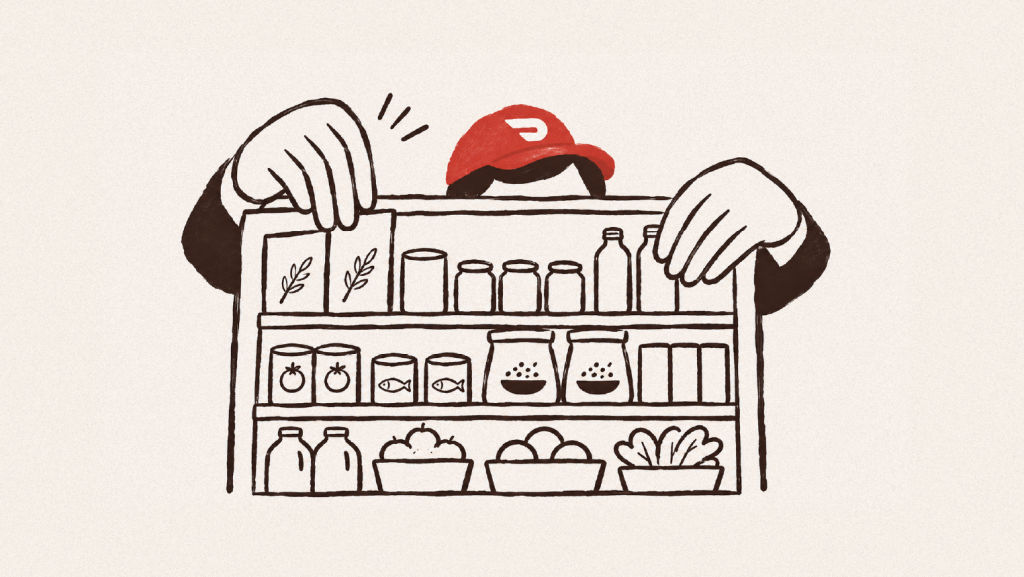
The shelf still carries the grocer’s name. Whether the grocer still decides what goes on it is the part worth watching for the next twenty months.
Recommended Post