Why Vaseline Embraced Its Own Mispronunciation
Published on 10 September, 2026 | Author: Agnes Marggs | 5 min read
There’s something genuinely delightful about a hundred-year-old brand getting renamed by a stranger on the internet and just… going with it. What’s easy to miss under the charm is the part that should stop any marketer cold: it took Vaseline one afternoon to do what most brands would still be routing through legal.
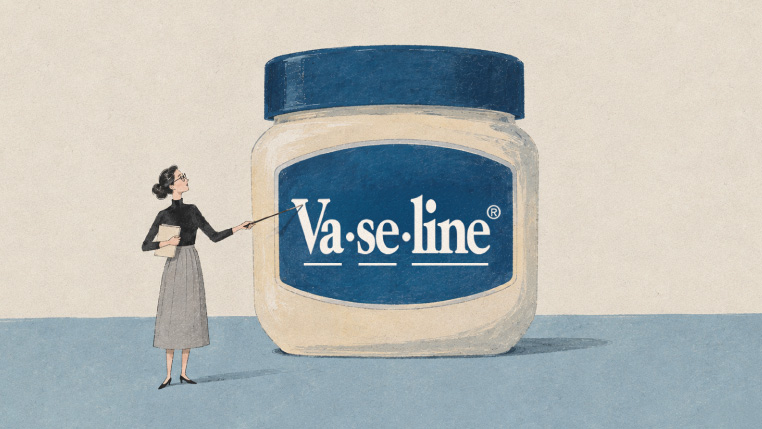
It started the way these things usually do, with no strategy behind it at all. A South Korean creator, Min Day Lee, posted a bathroom-shelf haul this August, the kind of casual talk-to-camera video that fills everyone’s feed, and worked her way through her Vaseline collection. Except every time she said the name, it came out “Baseline,” not as a bit and not caught and corrected, just warm and unbothered, like that was simply what the jar had always been called.
There’s a reason, and it’s sweeter than a mispronunciation joke usually gets to be. Korean has no sound that matches the English “V.” Said through that language, foreign brand names built around a “V” naturally soften toward a “B.” She wasn’t confused about the product. Her language was just doing what languages do.
What happened next is the part worth loving. The clip reportedly crossed more than 36 million views in a matter of days, and comment sections started spelling it “Baseline” right back at her. Other creators posted their own bathroom-shelf hauls with the same caption. Somewhere inside Vaseline’s social team, someone watched their own brand name get gently reassigned in real time and made a choice. Instead of correcting it, they announced a rebrand, telling everyone the decision followed an extensive review that amounted to watching one video, that it was still the same tub and the same jelly, and that the name had been said differently in every corner of the world for 150 years anyway. The creator was crowned “CEO of Baseline,” no interview required.
None of that is an accident of luck, even though the meme itself was. Vaseline is not the first brand to let an unbriefed internet moment stand in for a campaign it never planned. When more than 413,000 KitKat bars were stolen in transit earlier this year, the brand leaned into the joke rather than going quiet, saying the thieves had taken its “have a break” line too literally, and turned a supply-chain headache into a Cannes Grand Prix. The pattern underneath both is the same. The moment belonged to the audience, and the brand’s only real decision was whether to join it or stand outside it.
Here’s the mechanism, because it matters more than the charm. What went viral was never in Vaseline’s control. A meme spreads or it does not, and no team, however clever, owns that variable. What the team did own was the response, and the response cost almost nothing: a display name, a photo, one well-judged statement, all inside an afternoon.
The mechanism alone doesn’t explain why it read as delightful instead of desperate, though. Vaseline could accept a joke about its own name precisely because nobody watching had the faintest doubt about what the product is or does. A brand pushing past a hundred years old, with category ownership that settled decades ago, can hand the microphone to a stranger for a week without losing a thing. A younger or shakier name attempting the identical move risks looking like it is straining for relevance, or worse, like it genuinely isn’t sure who it is.
That is the part worth sitting with if you work in B2B, where the reflex runs the other way entirely. Most marketing organizations protect brand language with process: a legal review here, a brand-guideline sign-off there, an approval chain long enough that whatever prompted the decision has evaporated by the time the answer comes back. Vaseline’s team moved because the stakes were low and somebody already had the standing to say yes on the spot, without booking a meeting to talk it through first.
What distinctiveness looked like here was not a new tagline or a rebrand deck. It was the nerve to let the audience’s version of the brand win, out loud, for a little while, with no anxious caveat about staying on-message. That is a rarer trade than it sounds, and the reason is quieter than most teams admit. It is not that they would never want to make the joke. It is that they have never built the kind of authority structure that would let them make it before the moment was gone.
Run the test on your own company. If your community started calling your product something else tomorrow, affectionate or not, how many people would need to sign off before Friday? For most B2B teams, the honest count is more than one, and the window would close somewhere around the second approval.
Somewhere there is a bathroom shelf with a jar on it that a whole lot of people now read as “Baseline” a half-second before they read Vaseline. A hundred-year-old brand let that happen on purpose, and it looked more human for it.
Recommended Post